

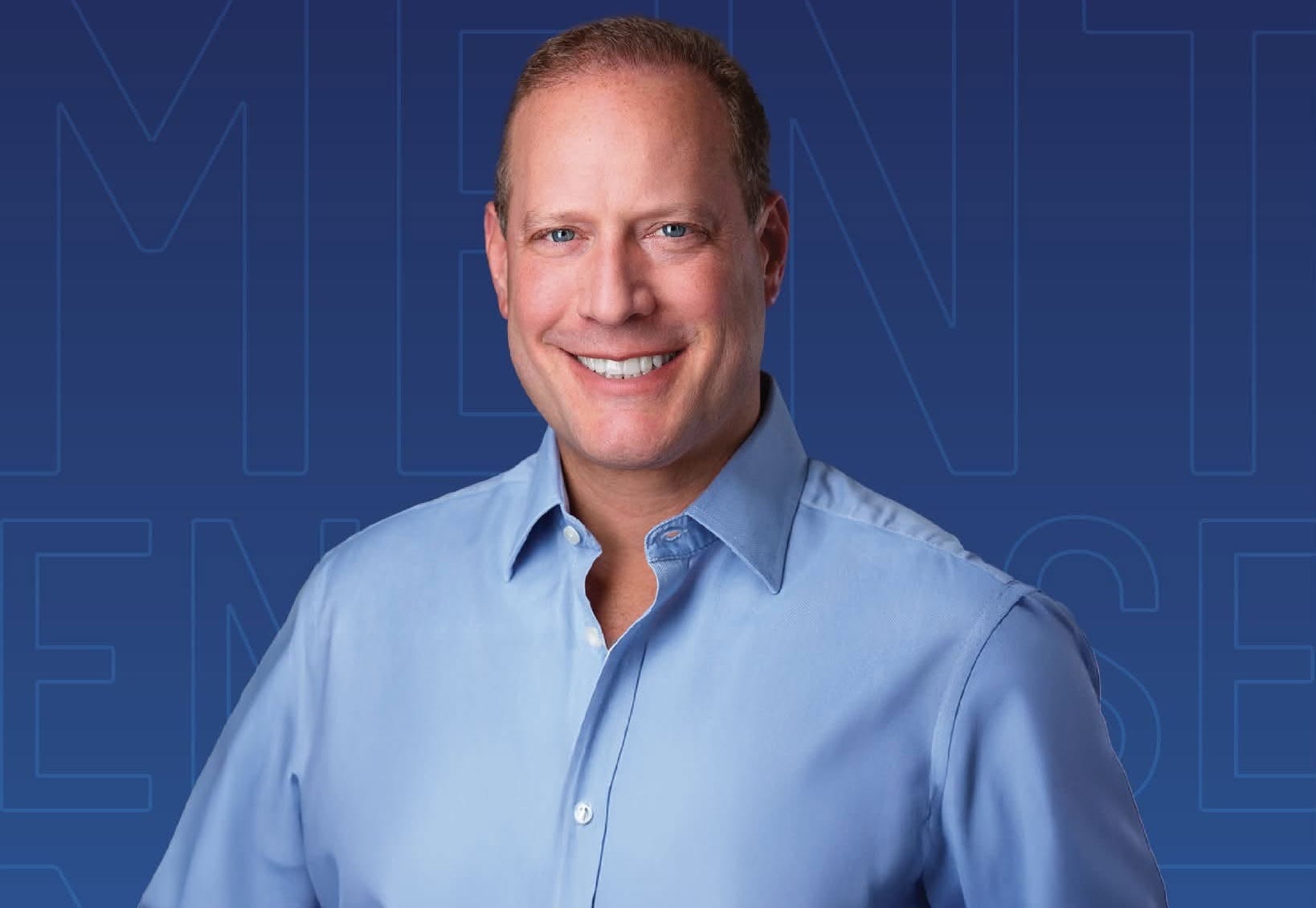
This series is called Meet the Candidates. Over the next month, I’ll spotlight a handful of Democratic races, mainly in the Legislature and Congress. These aren’t endorsements. They’re introductions, a way to understand who’s running, the districts they hope to represent, and what’s at stake for people across Texas.
Who is Josh Wallenstein?
Josh Wallenstein is an anti-corruption attorney and runs his own Houston law firm. For the past two decades, he’s advised businesses and organizations on ethics and compliance. Wallenstein believes that families pay more and get less because special interests have too much pull in Austin.
He lost his father at a young age and was raised by a single mother. He credits his public schools, teachers, and mentors with getting him to Stanford Law School. “Public schools saved my life,” he says. “Every child deserves the same shot I had.”
Wallenstein wants Texas to invest in teachers and keep public education dollars in public education. He’s previously served on the HISD Capital Planning Steering Committee to help guide how Houston invests in schools.
The district.
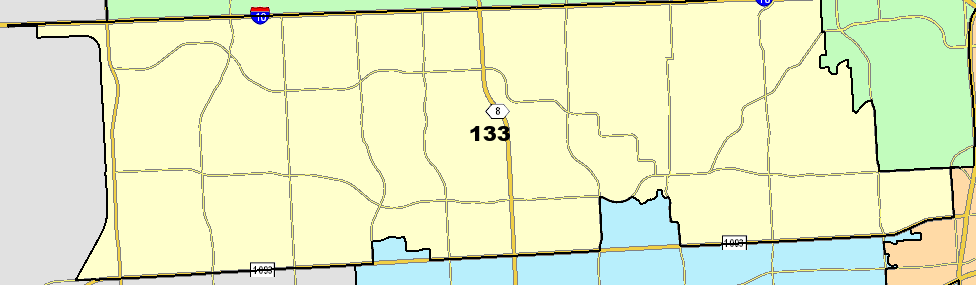
Yeah, that’s I10 in Harris County, and HD133 is a district where the per capita income is $71,465. Nearly 22% of households make $200,000 or more, almost double the state rate. The average owner-occupied home is worth $797,657, and over half the owned homes here top half a million dollars.
It’s also one of Texas’ most educated districts. 65.2% of adults 25 and older hold at least a bachelor’s degree. Statewide, it’s 33.8%.
Nearly half of HD133 rents, and the average rent runs $1,713 a month. And 38.3% of renters spend 35% or more of their income on it. More than 40,000 residents moved in the past year. Over 19,000 people live in poverty.
Anglos make up 47.3% of residents, Hispanic Texans 19.8%, Black Texans 18.9%, and Asian Texans 13.2%, double the state share. More than a third of residents speak a language other than English at home.
From the Texas Legislative Council’s ACS profile, roughly a third of HD133 kids from preschool through 12th grade are in private school. Statewide, it’s about one in nine. That’s a district where vouchers sound pretty great to families already writing tuition checks. Wallenstein’s pitch is to the other two-thirds.
In 2024, Trump carried HD133 52.4% to 45.4%. Ted Cruz did worse. 50.6% to Colin Allred’s 47.1%. Republican incumbent Mano DeAyala had no opponent.
To flip this district, Wallenstein will have to move the difference in the Allred race, about 1,355 voters. He’ll also have to find ticket-splitters. Democratic judicial candidates ran as much as 6,447 votes behind Kamala Harris in this district. He’s got to get the voters to make it down-ballot.
Every district is different, and Spanish-surname voters are 9.3% of registered voters in HD133, compared with 24.7% statewide. If Hispanic Texans swing back toward Democrats, it won’t be enough for this district alone. The path runs through college-educated Anglo and Asian voters, and through the Republicans who already proved they’ll split a ticket.
This district is flippable, but it will take hard work and precise targeting.
The incumbent.
Republican incumbent Mano DeAyala has been against public education since the day he set foot in Austin. He voted for the vouchers. He voted against teacher pay.
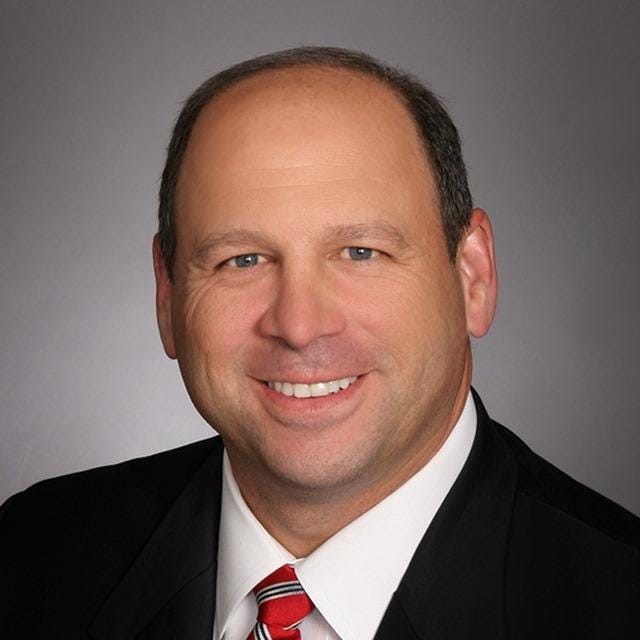
His ties to vouchers began before he entered the legislature. He has served on the board of directors of Heritage Classical Academy, a private institution that has applied for authorization to open charter schools in Texas, and in 2022 he was endorsed by the Texas Home School Coalition, which supports using public funds for private and home schools.
DeAyala has made his mission in the Texas Legislature clear, destroy public schools and reroute tax dollars to the wealthy.
In Josh Wallenstein’s own words.
Below are some questions I asked Wallenstein, based on previous reader polls, along with his answers.
Q: Do you support a statewide minimum wage increase to at least $15/hour?
Yes. Texans who work full-time should be able to afford the basics. I support raising the minimum wage to at least $15 an hour.
Q: Do you oppose school vouchers and efforts to privatize public education?
Yes. I strongly oppose vouchers and efforts to divert public dollars into private schools. Our priority should be fully funding neighborhood public schools, paying educators what they deserve, and keeping decisions about our schools in the hands of local communities rather than politicians and wealthy special interests.
Q: Should higher education in Texas be free or debt-free at public institutions?
Cost should never be a barrier to education. Texas should pursue multiple pathways to reduce or forgive debt from public higher education, working with the federal government where necessary. At the same time, the state should expand investment in vocational training and apprenticeship programs that allow Texans to earn while they learn and enter good-paying careers without taking on significant student debt.
Q: Should Texas guarantee free school meals to all K–12 students, regardless of income?
Yes. No child should be expected to learn while hungry, and families should not have to navigate unnecessary bureaucracy just to make sure their children can eat at school. Universal school meals are a straightforward investment in students and families.
Q: Do you support closing or downsizing state prisons and redirecting that funding to community-based alternatives like mental health care, housing, and youth programs?
Yes, where we can safely reduce incarceration through proven alternatives. We should distinguish between people who pose a serious threat to public safety and people whose needs are better addressed through mental health treatment, addiction services, housing, diversion programs, or other community-based solutions. Investing earlier in people and communities can prevent crime while allowing law enforcement and corrections resources to focus on genuine public safety threats.
Q: Do you support automatic voter registration and same-day registration in Texas?
Yes. Voting is a constitutional right and should be easy, secure, and accessible to every eligible Texan. I support automatic voter registration and same-day registration with appropriate safeguards to verify eligibility and protect the integrity of our elections.
Bonus Question: How do you plan to engage and energize young and working-class voters?
We have to start by showing up and listening. I plan to meet young and working-class Texans where they are, in their neighborhoods, workplaces, campuses, community, and online, and talk about the issues affecting their daily lives: housing, wages, healthcare, insurance, education, and the rising cost of simply getting by. I speak Spanish and Portuguese, which can help break down linguistic and cultural barriers with many fellow constituents.
Nobody made Mano DeAyala explain a single vote in 2024.
He ran unopposed and went back to Austin to vote for vouchers. This year, someone is asking questions.
One candidate says public schools saved his life. The other sent all three of his sons through Spring Branch ISD, then voted to send $1 billion in public money to private schools and against a $6.5 billion teacher raise. One has spent two decades making powerful people follow the rules. The other was on the governor’s list of reliable voucher votes before SB 2 ever hit the floor.
Allred lost HD133 by 2,709 votes. Flip about 1,355 of them, and it’s a tie. The voters who already rejected Trump at the top of the ticket and then voted Republican or skipped the bottom of the ballot could decide this race on their own. So could the renters who moved last year and never updated their registration.
Texas is a low-turnout state. HD133 is where that gets tested.
The last day to register is Monday, October 5. Early voting runs October 19 through October 30. Election Day is November 3. Vote the whole ballot.
You can learn more about Josh Wallenstein on his website, Facebook, Instagram, and TikTok.
31 days until the November election!
Last Day to Register to Vote: October 5, 2026
First Day of Early Voting: October 19, 2026
Last Day to Apply for Ballot by Mail: October 23, 2026
Last Day of Early Voting: October 30, 2026
Election Day: November 3, 2026
Did you know you can find links to all the previous Meet the Candidate articles on these lists?:
Click here to find out what Legislative districts you’re in.
LoneStarLeft is a reader-supported publication. To receive new posts and support my work, consider becoming a free or paid subscriber. Or buy me a coffee.
Follow me on Facebook, TikTok, Threads, Bluesky, YouTube, and Instagram. Or join my Facebook Group.
Thanks, Michelle! Just shared on bsky.