

This series is called Meet The Candidates. Over the next eleven months, I’ll spotlight a handful of Democratic races each month, mainly in the Legislature and in Congress. These aren’t endorsements. They’re introductions, a way to understand who’s running, the districts they hope to represent, and what’s at stake for people across Texas.
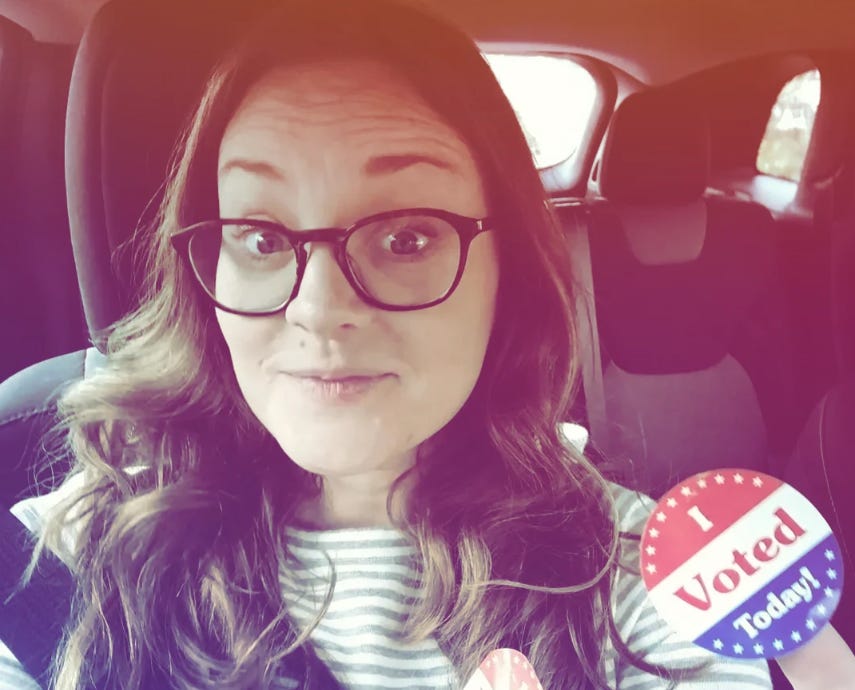
Who is Kristyna Loundy?
Kristyna Loundy started working at fifteen as a Sonic carhop, grew up in a family that lived right on the edge of qualifying for help, and learned early what it means to stretch a dollar and still come up short. She knows the feeling of having dinner on the table and nothing left in the pantry.
She spent years in restaurants and hospitality, then became a manager, learning to lead people, balance budgets, and keep businesses afloat without burning out workers. Later, she built a successful real estate business and finally found some financial stability of her own. But motherhood changed the way she saw everything. It made clear how many families are doing everything “right” and still living one emergency away from disaster. The problem wasn’t effort. The problem was a state government that keeps choosing culture wars and special interests over affordability, schools, and working parents.
Loundy is running for Texas House District 28 because she’s done waiting for someone else to fix it. She’s not a career politician. She’s a mom, a worker, and a neighbor who understands what everyday pressure feels like and how policy decisions land on real people. Her case is simple. Texas families deserve representation that puts people over politics, common sense over chaos, and practical solutions over ideological noise. And she believes that someone who’s lived this life is exactly who should be at the table.
The district.
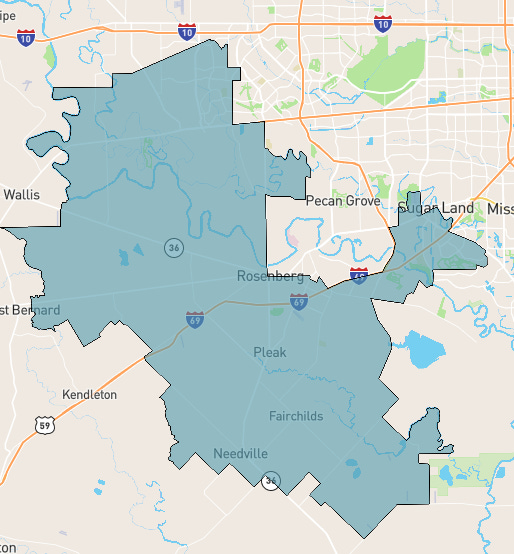
HD28 is a Fort Bend County seat. Demographically, it’s the kind of suburban Texas district that doesn’t fit into anybody’s old mental model. 39.6% Anglo / 60.4% Non-Anglo, with a notably large Asian share (19.4%), alongside 27.1% Hispanic and 13.1% Black residents.
It’s also very “family life” on the age and household side. The profile shows a big share of kids (6.4% ages 0–4 and 22.3% ages 5–17), a larger household size (3.05), and an overwhelmingly family-household district (83.6% family households; 53.7% of families have children under 18). That’s why the politics that tend to land here are the boring-but-life-or-death ones, schools, childcare, healthcare, traffic, flooding resilience, and whether the state is making it easier or harder to keep your head above water.
On paper, HD 28 reads as more affluent than Texas overall, but “affluent” doesn’t mean “immune to cost pressure.” Poverty is 7.2%, per capita income is $49,703, and a sizable chunk of households sit at the top end (24.1% at $200k+; 34.1% at $100k–$199k). At the same time, housing is expensive: average gross rent is $1,806, average home value is $439,786, and 18.3% of owner households spend 35%+ of income on housing costs. The district is also newer-growth suburbia (over 41% of units built 2010+) and heavily owner-occupied (77.6%). Translation: property taxes, insurance, HOA life, school quality, and “can my kid afford to live near me someday” are not abstract issues here.
Bottom line, HD28 is a diverse, highly educated, family-heavy, expensive-to-live-in suburbia where the general electorate is large enough to be competitive in theory, but the state House results show Republicans have kept a stable advantage in practice.
The path for Democrats is doing the unsexy work, like coalition turnout, multilingual outreach, and making school-and-affordability politics feel more urgent than the culture-war circus, because this district has plenty of persuadable voters, but it also has plenty of people who don’t vote in the elections that decide their lives.
The incumbent.
Representative Gary “Slumlord” Gates.
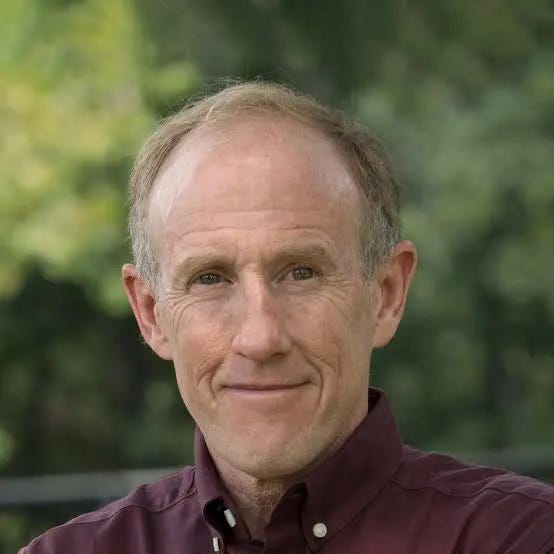
Gary Gates has spent years trying to sell himself as a “successful businessman,” but the public record around his real estate empire is exactly why so many people in Texas hear that and roll their eyes. Back in 2016, during his Republican runoff for the Railroad Commission, then–state Rep. Wayne Christian publicly branded him a “slumlord” and pointed to Gates’ history of a troubled city loan and a court fight over safety conditions at a crime-ridden apartment complex he owned in Houston. Gates called it “dirty politics,” but the underlying critique was about what happens when the person seeking power has a long paper trail tied to low-income housing and disputes over whether tenants were kept safe.
And then there’s the pandemic-era landlord behavior that tells you everything you need to know. A Houston Chronicle analysis found Gates filed at least 104 evictions across 34 apartment complexes in and around Houston after Texas’ disaster declaration in 2020, with nearly three-fourths ending in judgments against tenants. The point is that when people were losing jobs, getting sick, and trying to survive, Gary Gates was still operating as if eviction were just another line item in the business plan.
More recently, Gates has been unusually blunt about the power imbalance he benefits from. In 2025, reporting on Texas eviction policy fights, the Houston Chronicle quoted him saying it’s “very, very easy” to evict a tenant in Texas, and acknowledging, out loud, that he already has “an incredible advantage,” while noting he owns more than 30 apartment complexes across Harris County.
And the “follow the money” part matters, too, because he’s not just a landlord, he’s a landlord writing laws.
In Kristyna Loundy’s own words.
Below are some questions I asked Loundy, based on previous reader polls, along with her answers.
Q: Do you support a statewide minimum wage increase to at least $15/hour?
I support raising the state minimum wage to $15 an hour. I’m open to a gradual, phased-in approach to help small businesses adjust, but the current wage of $7.25 is unrealistic and completely out of touch with the cost of living today.
Q: Should Texas move toward a universal, publicly funded healthcare system?
I support Texas moving toward a universal, publicly funded healthcare system. Families shouldn’t have to fear going bankrupt just because someone gets sick. And right now, millions of Texans are stuck paying into a system that feels more like a predatory subscription than actual care. You pay premiums, deductibles, and co-pays — and even then, you’re not guaranteed coverage when you need it most.
I understand why people are skeptical when they hear “universal healthcare.” With how our government currently handles major systems, it’s fair to question whether they could manage something as crucial as healthcare. That trust has understandably been broken over time. But what we do know is that the system we have now is failing working families every single day. Medical debt is one of the leading causes of bankruptcy in this country. Too many people delay care because they’re afraid of the bill that will follow. And big insurance companies continue to raise rates while reporting record profits. Texans deserve better than this. Healthcare in Texas has to change. We need a system that is transparent, affordable, and centered on people and not corporate bottom lines. I am open to every practical step that moves us toward universal coverage, lowers costs, and ensures that no Texan has to choose between paying rent and seeing a doctor. Because at the end of the day, healthcare is not a luxury. It’s a basic human need, and Texans deserve a system that treats it that way.
Q: Should Texas guarantee free school meals to all K–12 students, regardless of income?
Yes, I strongly believe Texas should move toward guaranteeing free, healthy school lunches for every student. No child should be trying to learn on an empty stomach. We know from countless studies, and from the lived experience of teachers and parents, that students perform better, stay focused longer, and have fewer behavioral challenges when they can rely on a nutritious meal every day. States like Minnesota, Colorado, and California have already seen improvements in attendance, academic engagement, and overall student well-being after expanding free school meal programs. Texas families deserve the same.
But big changes don’t happen overnight. That’s why I support a step-by-step, realistic plan that builds on programs we already have while keeping the long-term goal clear: Free healthy school meals for all Texas students. To get there I plan to work on expanding access to the National School Lunch Program, bringing back and strengthening the after-school backpack program, and reducing the red tape required of schools so they can focus on feeding kids and not paperwork. Anytime a voter hears the words “free” an understandable reaction is how are we going to pay for these “free” programs, but the good news is we have a lot of the groundwork laid to start working toward the goal of no hungry kids, it’s just not being used to its full potential. This doesn’t require raising state taxes, it requires Texas using the tools it already has. Feeding children shouldn’t be controversial. It’s simply common sense. When kids eat, they learn. When families aren’t worried about lunch debt or skipped meals, our communities are stronger. Guaranteeing school meals is one of the smartest investments Texas can make.
Q: Would you support redirecting state subsidies from fossil fuels to fund community-owned solar, wind, and battery projects in low-income and rural areas?
I support gradually redirecting a portion of state subsidies from fossil fuels into community-owned solar, wind, and battery projects because it puts power, literally and financially, back into the hands of Texans. This isn’t about shutting down an industry overnight or abandoning the workers who built our state. It’s about strengthening our grid, lowering energy bills, and giving local communities more control over their own energy future.
Texas currently spends hundreds of millions in tax breaks and subsidies on large corporations. Redirecting just a fraction of that toward small, locally owned energy projects would create long-term benefits for families and rural communities, especially when it comes to grid reliability and lower utility costs. With rising demand and Texas’ extreme weather, from hurricanes and flooding to the devastating “Texas Freeze”, families are too often left without power and faced with staggering energy bills.
By reinvesting subsidies into community-owned renewable energy and battery storage, we can improve grid resilience and help lower costs for everyday Texans. And I’m not promising an overnight fix — that wouldn’t be practical. A gradual shift allows us to invest in new technologies without destabilizing existing industries. Texas led the energy economy of the past, and with smart planning, we can lead the energy economy of the future as well.
Q: Do you support publicly financed elections to reduce corporate and PAC influence?
I support publicly financed elections because I’m living firsthand what it feels like to run a grassroots campaign without big donors or PAC money behind me. I know there are countless Texans with the passion and ideas to serve their communities just like me, but they never get the chance because money becomes the barrier. Public financing helps fix that. It creates a system where regular people, teachers, nurses, students, small business owners, and working parents can actually run and win, not just the well-connected or well-funded. It means candidates spend more time knocking on doors and talking to voters instead of chasing high-dollar donors. And it means elected officials are accountable to the people who elected them, not to a handful of corporate interests writing the biggest checks.
For me, this isn’t abstract. I can see how hard it is for candidates without big financial backing to break through, no matter how qualified or committed they are. Publicly financed elections would open the door for more diverse voices, more working-class candidates, and more true representation for every community in Texas. At the end of the day, this is about fairness, transparency, and real representation. Texans deserve a political system where your voice matters more than the size of your bank account, and where candidates like me, who are running for the right reasons, actually have a fighting chance.
Bonus Question: How do you plan to engage and energize young and working-class voters?
I plan to engage young and working-class Texans by meeting them where they are and focusing on the issues that actually shape their daily lives — the cost of living, school funding, healthcare, and real economic opportunity. Young people want a voice in their future, and working families want leaders who understand their struggles. As a working mom, I get it.
For young Texans, engagement starts with listening. They care about climate, opportunity, mental health, voting access, and the strength of our democracy. I want them involved not just as voters, but as partners — through youth advisory groups, campus visits, volunteer leadership roles, and policies shaped by their lived experiences.
For working-class voters, respect is key. They want leaders who value their time and understand the pressures they face. That’s why I plan to show up in their communities, listen directly, and ensure they’re part of shaping solutions, not simply hearing about decisions after they’re made. Too often, political leaders forget that the policies they support have real-life impacts. My philosophy is that good government starts with understanding what people need and building policies around those needs, not what benefits me, my donors, or the political climate of the moment.
My campaign is people-powered, and I want young Texans and working families to feel true ownership in this movement. When leaders speak plainly, stay accessible, and focus on real-life challenges, people get excited and get engaged. That’s exactly how I plan to lead and how I plan to run.
Texas House District 28 sits at the intersection of where Texas is and where it’s going.
It’s diverse, highly educated, family-centered, and increasingly expensive to live in. The people here are not asking for ideological theater. They’re asking for schools that work, healthcare they can afford, housing that doesn’t eat their entire paycheck, and a state government that notices them at all.
That’s the contrast in this race. On one side is an incumbent who has spent years in office, built personal wealth in the real estate industry, and openly benefits from a system that makes life harder for tenants and working families, while helping write the laws that govern that system. On the other hand, there is a first-time candidate whose politics were shaped not by donors or power brokers, but by lived experience, work, parenting, and navigating the same economic pressures facing the district she wants to represent.
This series isn’t about telling you who to vote for. It’s about giving Texans enough information to decide whether their current representation reflects their values, their needs, and their future. Kristyna Loundy is one of many Democrats stepping forward across the state because waiting hasn’t worked, and silence hasn’t helped. HD28 will make its own choice. But this race, like so many others in Texas, asks a simple question voters everywhere should be asking. Who is the government working for right now, and who is still waiting to be heard?
You can learn more about Kristyna Payton Loundy on her website, Facebook, or Instagram.
February 2, 2026: Last Day to Register to Vote
February 17, 2026: First Day to Early Vote
March 3, 2026: Primary Election
Click here to find out what Legislative districts you’re in.
LoneStarLeft is a reader-supported publication. To receive new posts and support my work, consider becoming a free or paid subscriber.
Follow me on Facebook, TikTok, Threads, YouTube, and Instagram.
Her district and mine (SBOE 7) overlap! Thank you for this!
Thank you, Michelle! Terrific info as usual! I particularly love that you dubbed the incumbent Gary 'Slumlord' Gates, LOLOL. Already shared on Bsky!